Which Sirdar yarn should you choose for your next knit or crochet project?
Sirdar has been a fixture of British knitting baskets for generations, and the range on offer now spans cotton for summer makes, soft acrylics for toys and garments, and wool-rich blends for cosier projects. If you've searched for Sirdar wool, Sirdar yarns UK, or simply want to compare the current lines side by side, this page pulls together the core ranges so you can match fibre, weight and colour to your pattern before you buy.
Sirdar's strength is consistency: dye lots are generally reliable across a shade range, ball bands are clear about tension and needle or hook size, and most ranges are machine washable, which matters if you're knitting for babies, kids or anyone who won't hand wash a jumper. Below is a practical guide to picking the right Sirdar yarn, working out quantities, and getting good results on the hook or needles.
Choosing between the Sirdar ranges
Sirdar Happy Cotton is the go-to for small, colourful amigurumi and children's accessories, sold in small balls so you can buy a rainbow of shades without waste. Sirdar Cotton DK works well for garments and homeware where you need more yardage per shade. For bold, graphic colourwork or statement accessories, Sirdar Jewelspun gives a fleck-and-shine effect that plain yarns can't match. If you want something softer against the skin for next-to-skin garments, Sirdar Cashmere Merino Silk DK is the luxury option in the lineup, while Sirdar Stories DK sits in the middle as an easy-care, everyday DK.
Weight, fibre and quantity
Sirdar covers most standard weights, from 4-ply up through DK, Aran and chunky, so always check the ball band against your pattern's tension square rather than assuming two yarns of the same weight will behave identically. Sirdar Country Classic 4 Ply is a good benchmark for fine-gauge garments and baby knits, while heavier projects suit Sirdar Jewelspun With Wool Chunky for a quick, chunky finish. For fibre content, cotton ranges give good stitch definition and drape well in summer tops; wool and wool-blend ranges, which you'll find alongside other knitting and crochet wool yarn, add warmth and elasticity that can be more forgiving for beginners working increases and decreases. If you're buying for a large blanket or a project with lots of colour changes, the multi-colour assortment boxes are a sensible way to build a stash without hunting down individual shades one at a time.
Needle and hook sizes, plus skill level
Always knit or crochet a tension square first; Sirdar's ball bands state the recommended needle or hook size and the stitches-per-10cm you should be matching, and this varies between ranges, so check the specific band rather than relying on general rules of thumb. For crochet, remember UK and US terminology differs: a UK treble is a US double crochet, and a UK double crochet is a US single crochet, which matters when following patterns that don't specify. Beginners will find the cotton and DK ranges easiest to handle since they hold their shape and show stitches clearly, while fluffier or tweed-effect yarns such as Sirdar Loveful Recycled Tweed are better once you're comfortable reading your stitches by feel as well as sight.
Patterns, projects and timing
Sirdar yarn is designed to pair with specific pattern books and leaflets, so it's worth browsing Sirdar knitting patterns or Sirdar crochet patterns before buying yarn, since quantities and tension are calculated for that exact yarn. A crochet-along blanket such as the Sirdar Summer Picnic Blanket CAL is a good way to build confidence gradually, working one section at a time rather than committing to a full pattern in one sitting. Toys and small accessories in Happy Cotton can be finished relatively quickly, while a DK jumper is realistically a longer project depending on your pace.
- Cotton ranges for toys, bags and summer garments
- DK wool and wool blends for everyday jumpers and accessories
- Chunky and Jewelspun ranges for quick makes and bold colourwork
- 4-ply for baby knits and fine-gauge garments
Frequently asked questions
Is there a free Sirdar pattern to try before buying yarn? Not every Sirdar listing here includes a free pattern, but Sirdar Alpine is currently offered as a free download, so it's a good starting point if you want to try the brand without committing to a paid leaflet first.
Does Sirdar make a Harry Potter yarn? Sirdar has produced licensed ranges in the past, but what's stocked here is the core Sirdar lineup; check the product names and descriptions directly, as licensed yarns come and go from availability.
What's the difference between Sirdar DK ranges? The main differences are fibre content and finish: Cotton DK and Stories DK are plant-based and easy-care options respectively, while Cashmere Merino Silk DK adds a luxury natural-fibre blend. Checking the ball band for fibre percentage and wash care is the quickest way to tell them apart before you start a project.


 Sirdar Happy Cotton
€2,09
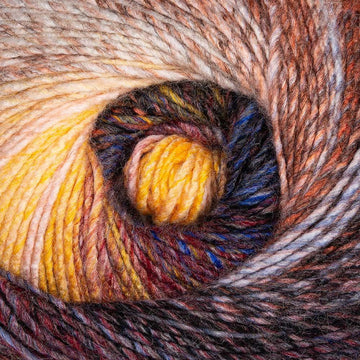 Sirdar Jewelspun
€19,19
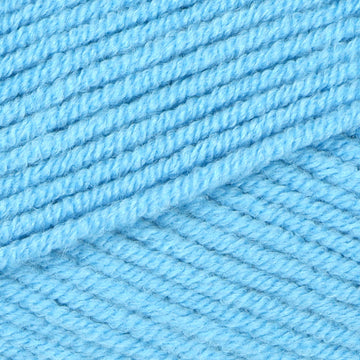 Sirdar Stories DK
From €2,40
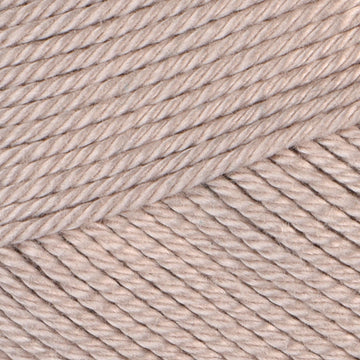 Sirdar Cotton DK
From €5,55
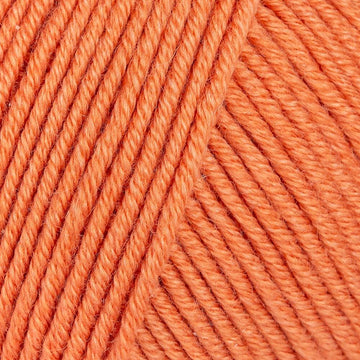 Sirdar Cashmere Merino Silk DK
€9,11
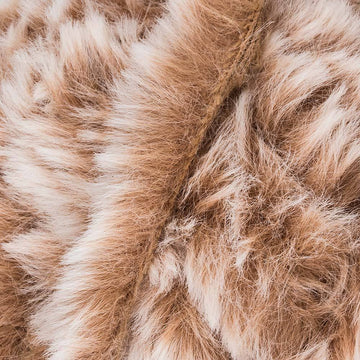 Sirdar Alpine
From €0,00
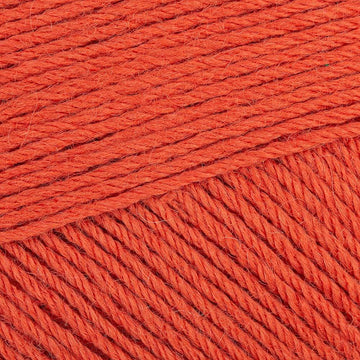 Sirdar Country Classic 4 Ply
€3,59
 Sirdar Country Classic
€4,75
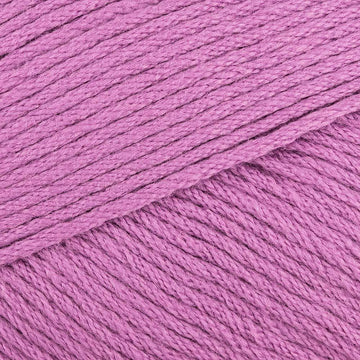 Sirdar No.1
From €4,50
 Sirdar Jewelspun With Wool Chunky
€15,59
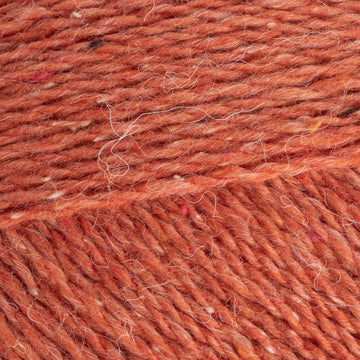 Sirdar Loveful Recycled Tweed
€6,29
 Sirdar Stories Chunky
€6,89
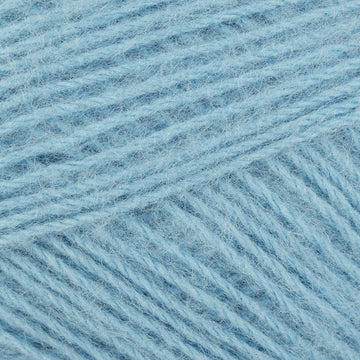 Sirdar Soft Down
€5,59
 Sirdar Jewelspun Ombre
From €26,89
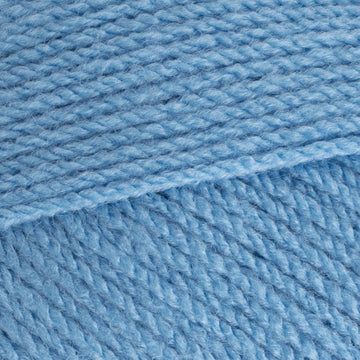 Sirdar Loveful Recycled Acrylic
€4,89
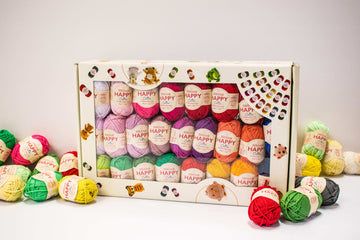 Sirdar Happy Cotton Assortment Box - 50 Colours
€87,59
 Sirdar Hearts&Flowers Crochet Along Spring 2025
€46,39
 Sirdar Happy Chenille Multibox - 25 Colours
€44,99
 Sirdar Summer Picnic Blanket CAL - Crochet Along
€38,19
 Sirdar Pumpkin Spice Crochet Along 2026
€52,00
 Sirdar Harry Potter ‘Magic’ Self-Striping Scarf Acrylic Yarn
€17,99
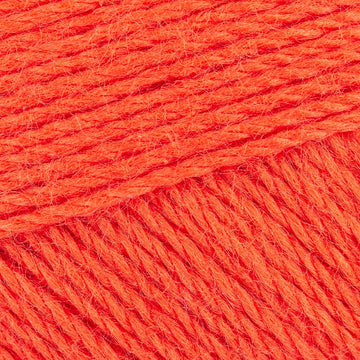 Sirdar Loveful 100% Bio Blend
€4,99
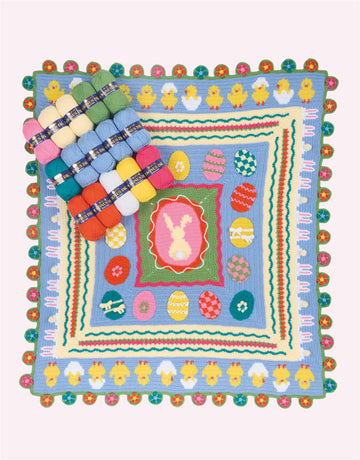 Sirdar Easter Egg Crochet Along 2026
€72,99
 Sirdar NOËL Christmas CAL
€38,40
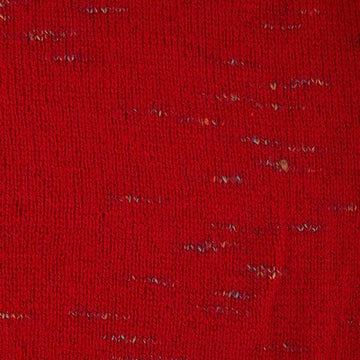 Sirdar Embers DK
€5,89
 Sirdar Harry Potter Magical Blanket Crochet Along 2026
€60,99
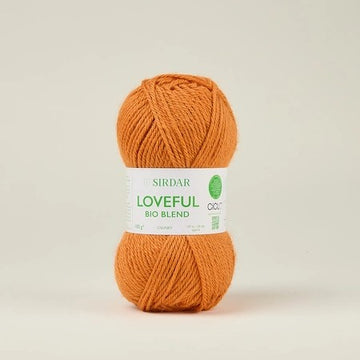 Sirdar Loveful Bio-blend Chunky
€4,29
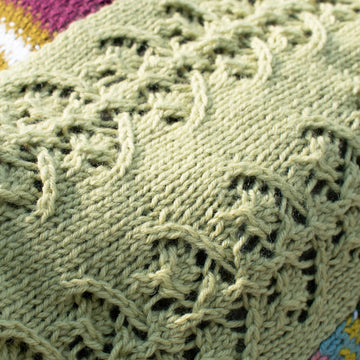 Sirdar No Place Like Home by Emma Wright - Sirdar Country Classic 24 Ball Colour Pack
€84,99
 Rowan Signature Squares Knit Along 2026
€229,19


