A farm-founded yarn range
Juniper Moon Farm's origins in a working flock explain the shape of the range. The emphasis is on fibre quality and clean, wearable colour rather than on effect yarns, and the blends are chosen to do particular jobs: merino for softness and spring, alpaca for warmth and drape, cotton and cotton blends for summer garments, and mixed-fibre yarns that combine the strengths of each. If you like knowing what is in your yarn and why, this is a range that rewards reading the ball band.
Matching fibre to project
- Merino and merino blends: jumpers, cardigans and hats, where elasticity holds ribbing and shape.
- Alpaca and alpaca blends: shawls, wraps and loose garments that benefit from heavy drape.
- Cotton and cotton blends: summer tops, baby knits and homeware, cool and hard-wearing.
- Chunky weights: quick blankets, cowls and oversized jumpers.
- Finer weights: colourwork, fine-gauge garments and detailed stitch patterns.
Reading drape before you commit
The single most useful habit with fibre-led yarns is to swatch and then abuse the swatch. Knit at least 15cm square, wash it as you intend to wash the finished piece, dry it flat and then hang it from a pin overnight. Alpaca and silk blends will grow visibly; merino will barely move. That test tells you whether to knit a fitted garment a size smaller, to shorten the body, or to choose a different shape altogether. It takes an evening and saves a season.
Tension and quantity
Match the pattern's tension rather than the ball band's, and change needle size until you do; the ball band is a suggestion based on plain stocking stitch, and cables or lace behave differently. Buy to the metreage stated in the pattern for your size, not the ball count, and keep to one dye lot for anything worked in a single colour. Where a yarn is naturally coloured or minimally processed, small variations between lots are part of its character, so alternating balls every two rows evens out any difference.
Techniques that suit these yarns
Smooth, well-spun wool takes cables and textured stitch patterns beautifully, so this is the range to choose if you want your cable crossings crisp. Softer, hairier blends flatter simple stocking stitch and open lace instead, since detail disappears into the halo. For stranded colourwork, choose the woollier options, which grip themselves and even out slight tension differences. Cotton blends do neither of these especially well but excel in textured stitch patterns and homeware where firmness is an asset.
Looking after it
Unless the ball band states superwash, treat these yarns as hand wash: lukewarm water, wool-safe detergent, no agitation, no wringing. Press the water out against the side of the bowl, roll in a towel and dry flat. Wool needs washing far less often than people think, and an overnight airing solves most odours. Store folded, never on hangers, in a closed box with cedar or lavender, and keep a leftover length of every project for future repairs.
Juniper Moon Farm yarn questions
What is Juniper Moon Farm yarn best for? Garments and accessories where fibre quality shows: jumpers, cardigans, shawls and blankets.
Is it machine washable? Some blends are, others are not. Always check the individual ball band before washing.
Can I substitute it into another pattern? Yes, if you match tension. Compare metres per 100g as well as the weight name.
Which weight should I choose? Finer weights for detail and drape, chunkier weights for speed and warmth.
How much do I need for a jumper? Work from the yardage stated in your pattern for your size and add a ball for longer sleeves. See merino wool yarn for similar options.


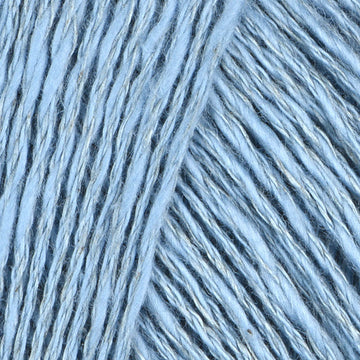 Juniper Moon Farm Zooey
From $19.95
Juniper Moon Farm Zooey
From $19.95
 Juniper Moon Farm Herriot
From $21.95
Juniper Moon Farm Herriot
From $21.95
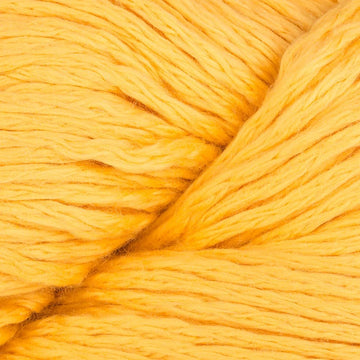 Juniper Moon Farm Cumulus
From $21.95
Juniper Moon Farm Cumulus
From $21.95
 Juniper Moon Farm Patagonia
From $13.60
Juniper Moon Farm Patagonia
From $13.60
 Juniper Moon Farm Herriot Great
From $0.00
Juniper Moon Farm Herriot Great
From $0.00
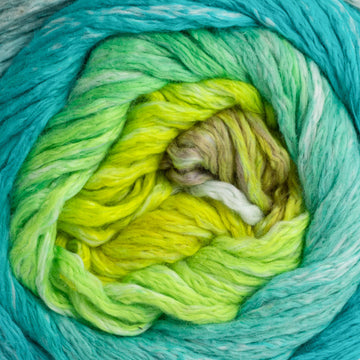 Juniper Moon Farm Cumulus Rainbow
From $25.00
Juniper Moon Farm Cumulus Rainbow
From $25.00
 Juniper Moon Farm Cotton + Merino
$21.95
Juniper Moon Farm Cotton + Merino
$21.95
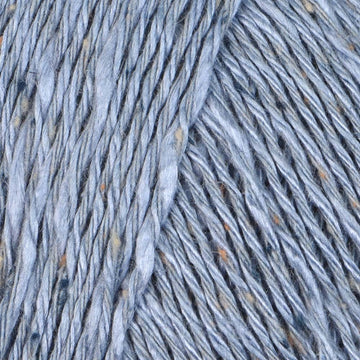 Juniper Moon Farm Summer Solstice
From $19.95
Juniper Moon Farm Summer Solstice
From $19.95
 Juniper Moon Farm Cirrus
$23.95
Juniper Moon Farm Cirrus
$23.95
 Juniper Moon Farm Fairy Floss
$29.99
Juniper Moon Farm Fairy Floss
$29.99
 Juniper Moon Farm Big Merino Wool
$18.95
Juniper Moon Farm Big Merino Wool
$18.95
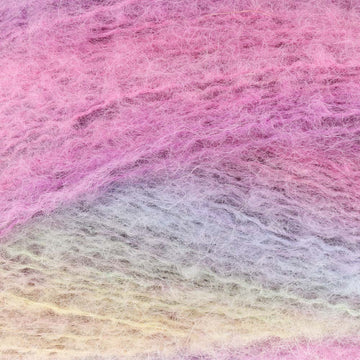 Juniper Moon Farm Iris
From $0.00
Juniper Moon Farm Iris
From $0.00


